

Before you pay anyone to tell you what a piece is worth, read the stamp. It takes ten seconds with a loupe, it’s free, and for a large share of jewelry it answers the only question that actually matters: is this solid gold, gold-filled, or silver with a gold layer on top. A paid appraisal, an XRF reading, or an acid test only need to enter the picture once the stamp check leaves something genuinely unresolved.
Start With the Three-Tier Stamp Check
Every gold-colored piece falls into one of three categories once you find the maker’s mark, and each one points to a different next step. Our full gold marks and hallmarks guide covers how to locate and read these stamps in detail — here’s the short version for deciding whether an appraisal is worth pursuing.
- GF, GP, HGE, or RGP — gold-filled or gold-plated. A thin layer of gold is bonded or plated over a base metal core. Melt value is minimal to nonexistent, since there’s little to no actual gold to recover. Any value here is decorative, maker, or design value, not metal value.
- 10K, 14K, 18K — or the equivalent 417, 585, 750 — solid gold all the way through. These pieces carry real, calculable melt value based on current spot price and karat purity, on top of whatever design or gemstone value they hold.
- 925 stamped alongside a karat mark — vermeil: sterling silver with a gold layer over it. The base metal is genuinely valuable silver rather than a worthless alloy, but the melt math is different from solid gold and worth understanding on its own terms.
See our gold melt value explained guide for how to actually run those numbers once you know which tier you’re in.
When the Stamp Is Unclear: XRF and Acid Testing
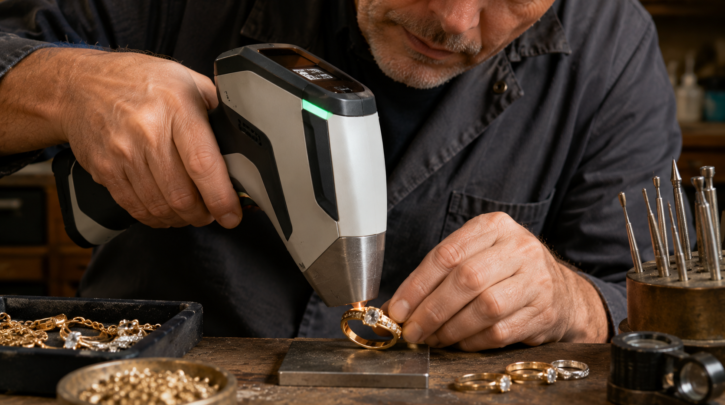
Worn, illegible, or missing stamps are common on genuinely old pieces, and that’s the point where a paid test — rather than a paid appraisal — is usually the right next step. An XRF (X-ray fluorescence) reading is non-destructive and gives a precise metal composition in seconds, which is why most reputable jewelers and pawn shops use it. Acid testing is cheaper and still reliable but involves a small mark or scratch on the piece. Either one settles the tier-one question — gold-filled versus solid versus vermeil — for a modest cost, well before a full appraisal is justified.
Stone-Set Pieces vs. Plain Gold Bands: Where a Paid Appraisal Actually Earns Its Cost
Once the stamp check (or an XRF/acid test) confirms what the metal is, the next question is whether a full paid appraisal adds anything beyond that. It usually comes down to what’s set into the piece.
Plain gold-band pieces — a solid-gold band, chain, or setting with no stones — are largely settled by melt value alone. Once you know the karat and the weight, current spot price gets you most of the way to an honest number, and a paid appraisal often adds little beyond confirming math you can already do yourself.
Stone-set pieces are a different story. A diamond, colored gemstone, or antique cut carries value that has nothing to do with the metal around it, and that value depends entirely on documentation — cut, clarity, carat weight, and whether a stone is natural, treated, or lab-created. None of that is visible from a stamp or a melt calculation. This is where a paid appraisal, ideally involving a GIA-certified gemologist for the stone specifically, is worth the cost. See our real vs. fake gemstones guide and antique-cut diamonds guide for what a documented stone can actually add to a piece’s value.
Before melting anything with a stamp that suggests real value or a stone that looks significant, see our melt vs. sell guide for why that decision deserves confirmation first.
Beyond the Stamp: When a Full Appraisal Is Worth It Regardless
A few situations justify a formal appraisal independent of what the stamp check turns up. Insurance coverage for a valuable piece typically requires documented, professional valuation rather than a personal estimate. Estate settlement among multiple heirs benefits from a neutral, professional valuation that removes personal bias from dividing inherited pieces. And any piece that seems like it could include a genuinely rare design or a significant maker’s signature deserves professional confirmation before a major sale or insurance decision — the jewelry value guide covers what “rare” actually looks like in practice.
Why Jewelry Appraisal Is Especially Multifaceted
A thorough jewelry appraisal weighs metal melt value, gemstone value based on independent gemological characteristics, and collector or design value based on maker, rarity, and condition — three genuinely separate evaluations combined into one overall figure. That’s why a jewelry appraiser needs broader expertise than an appraiser focused on a single-material category, and it’s also why the stamp check and stone question above are worth working through before paying for a professional to do all three at once.
Informal vs. Formal Appraisal
An informal opinion from an experienced jeweler or dealer — often free or low-cost — gives a reasonable ballpark estimate useful for everyday decisions, but it isn’t documented in a way that satisfies insurance or legal requirements. A formal written appraisal from a certified appraiser costs more but provides the documentation actually needed for insurance coverage or estate purposes.
Finding a Qualified Appraiser
Look for an appraiser experienced with vintage and antique jewelry specifically, and check for credentials from a recognized professional body. The International Society of Appraisers, the Appraisers Association of America, and the American Society of Appraisers are all established organizations that certify appraisers to recognized professional standards. For pieces with significant gemstones, a GIA-certified gemologist’s involvement adds further credibility specifically for the stone evaluation.
A Red Flag Worth Knowing
Reputable appraisers charge a flat fee or an hourly rate, never a percentage of the appraised value. A percentage-based fee creates a direct financial incentive for the appraiser to inflate the value, which professional appraisal industry standards consider an ethical conflict of interest. An appraiser offering to work for a cut of the final valuation is worth avoiding regardless of how reasonable the rest of their pitch sounds.
Preparing for an Appraisal
Clean pieces gently beforehand so the appraiser can clearly see marks and stones without dust or tarnish obscuring them, but avoid any deeper restoration attempt right before an appraisal — see our cleaning guide for the gentle approach worth using. Gather any known provenance or family history alongside the pieces themselves, and prepare specific questions in advance — current melt value, gemstone value, collector value, and insurance replacement value are often different questions with different answers.
Lower-Stakes Alternatives
For pieces that don’t justify the cost of a formal appraisal — often exactly the plain gold-band pieces the stamp check already settled — informal verification through a collector community, checking recent completed sales, or a knowledgeable dealer’s opinion provides a reasonable, low-cost sense of value for everyday decisions that don’t require documented, insurance-grade valuation.
The Appraisal Is a Tool, Not the Final Word
An appraisal reflects a professional’s informed judgment at a specific point in time, but precious metal spot prices and collector demand for specific makers and design eras both genuinely shift over time. Treat an appraisal as a well-informed snapshot worth updating periodically for a valuable collection, rather than a permanent, unchanging figure.
Appraisal vs. Authentication
It’s worth distinguishing between an appraisal, which estimates monetary value, and authentication, which confirms a piece is genuinely what it’s claimed to be. A thorough appraiser typically does both together, but for a piece where authenticity is the main question rather than value specifically, being clear about which question you actually need answered helps the appraiser focus their assessment appropriately.
What Happens After the Appraisal
A completed appraisal document is worth keeping in a safe place alongside insurance records and any other documentation for the collection. It’s reasonable to revisit and update a formal appraisal every several years for a genuinely valuable collection, since both market conditions and the collection itself may have changed since the original assessment.