
 Written by: Vintage Jewelry Editorial Team
Posted on: July 11, 2026
Written by: Vintage Jewelry Editorial Team
Posted on: July 11, 2026
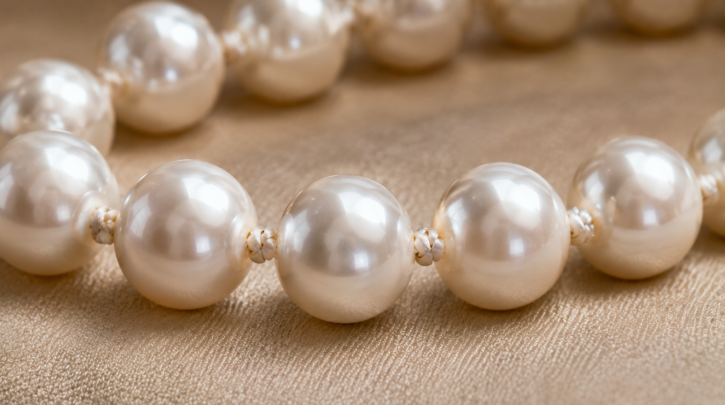
Restringing Pearls: When and Why It’s Needed
Pearl necklaces need a specific kind of maintenance most other jewelry doesn’t: periodic restringing, a genuine consequence of the traditional silk-thread construction used to string pearls together. Why Silk Thread Wears Out Traditional pearl stringing uses silk thread, which stretches gradually and can weaken or…
 Written by: Vintage Jewelry Editorial Team
Posted on: July 11, 2026
Written by: Vintage Jewelry Editorial Team
Posted on: July 11, 2026
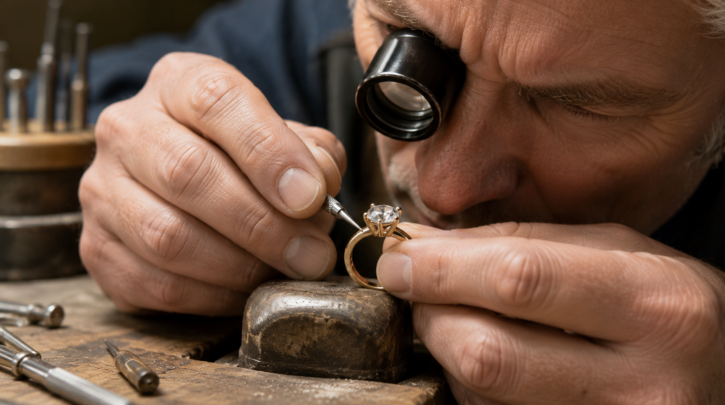
Repairing Vintage Jewelry: A Complete Guide
Vintage jewelry develops predictable kinds of wear over decades, and knowing what’s actually repairable — and what a repair genuinely involves — helps decide whether restoration is worth pursuing for a specific piece. Broken Clasps A broken or malfunctioning clasp is one of the more…
 Written by: Vintage Jewelry Editorial Team
Posted on: July 11, 2026
Written by: Vintage Jewelry Editorial Team
Posted on: July 11, 2026
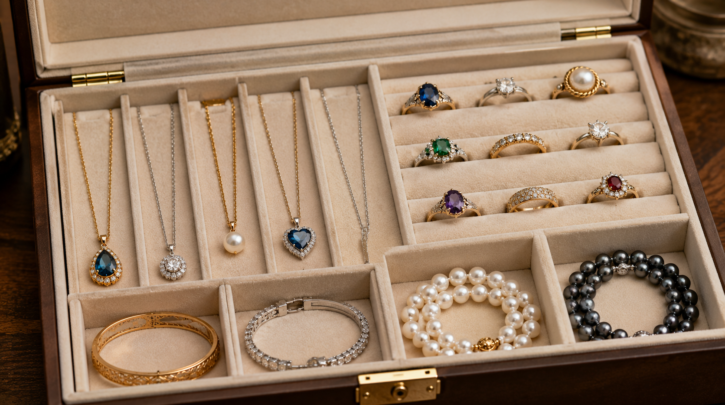
Storing Jewelry to Prevent Tarnish and Damage
Good storage does more to protect a jewelry collection long-term than any cleaning routine, since it prevents damage before it happens rather than addressing it afterward — a handful of genuinely effective habits cover most of what a mixed jewelry collection needs. Preventing Silver Tarnish…
 Written by: Vintage Jewelry Editorial Team
Posted on: July 11, 2026
Written by: Vintage Jewelry Editorial Team
Posted on: July 11, 2026
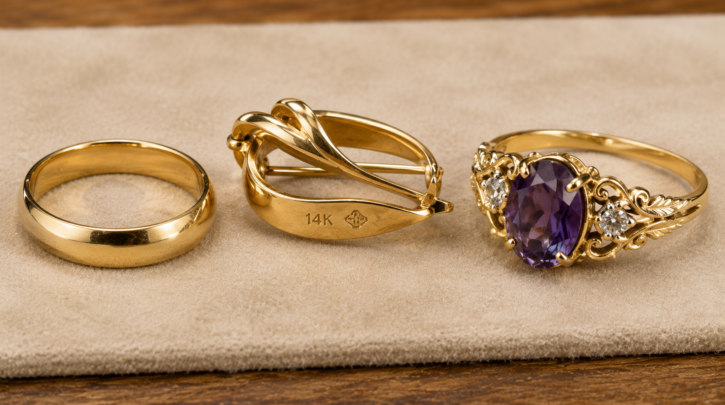
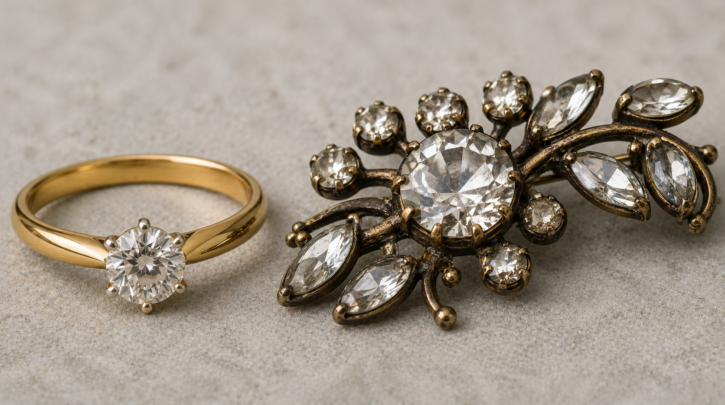
How to Sell Vintage Jewelry: A Complete Guide
A stamped karat and a piece on a scale will tell you the melt-value floor of any gold piece in about a minute — that number isn’t going anywhere, and it’s the least you’ll get for it. What that number can’t tell you is whether…
 Written by: Vintage Jewelry Editorial Team
Posted on: July 11, 2026
Written by: Vintage Jewelry Editorial Team
Posted on: July 11, 2026
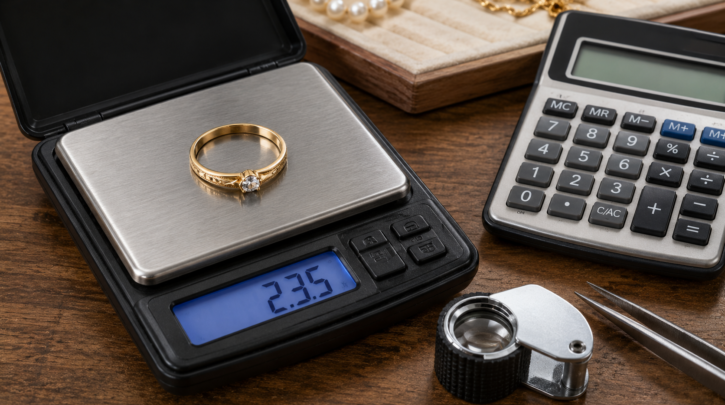
Jewelry Value Guide: What Actually Drives Price
Whether you’re holding solid gold, sterling silver, or well-made costume jewelry, the same core factors determine value — composition, gemstone value, maker, rarity, condition, and completeness — even though the weight each factor carries shifts considerably depending on what you actually have. Composition Sets the…
 Written by: Vintage Jewelry Editorial Team
Posted on: July 11, 2026
Written by: Vintage Jewelry Editorial Team
Posted on: July 11, 2026
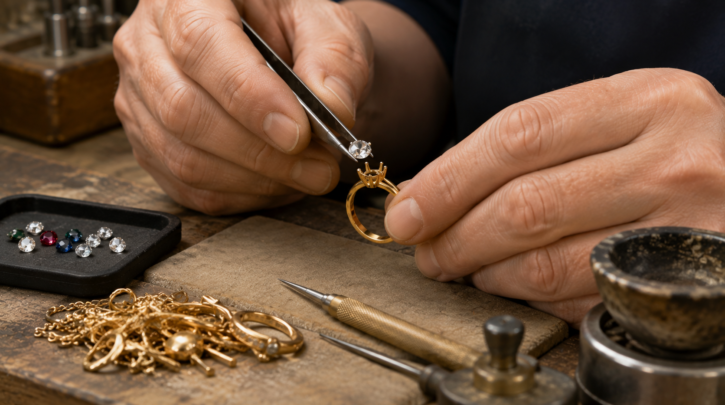
Gold Melt Value Explained
“14K” isn’t a value — it’s shorthand for a fraction. Specifically, 14K gold is 58.3% pure gold by weight, and that fraction, not the karat number itself, is what actually converts into melt value against the spot price. The second thing most people miss: the…
 Written by: Vintage Jewelry Editorial Team
Posted on: July 11, 2026
Written by: Vintage Jewelry Editorial Team
Posted on: July 11, 2026
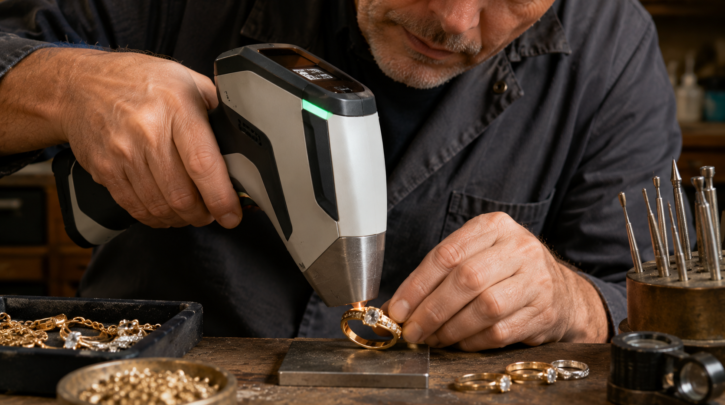
When to Melt vs. Sell Gold Jewelry Intact
A gemstone is worth nothing to a refiner. Their process pays for the gold they can recover, full stop — a diamond or colored stone sitting in a piece headed for the melting pot has no role in what they’re being paid to extract, and…
 Written by: Vintage Jewelry Editorial Team
Posted on: July 11, 2026
Written by: Vintage Jewelry Editorial Team
Posted on: July 11, 2026
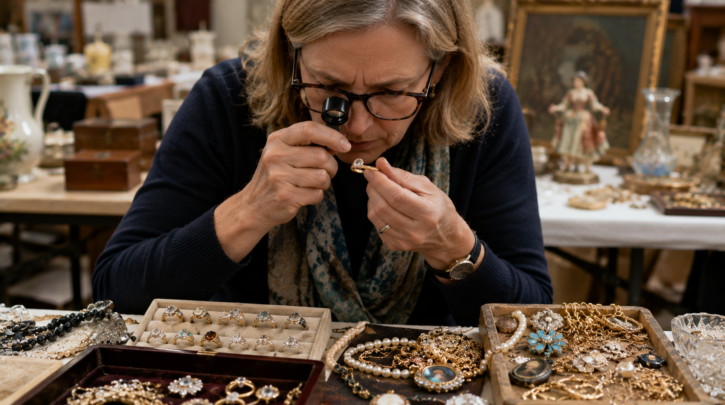
Jewelry Appraisal: When and How to Get One
Before you pay anyone to tell you what a piece is worth, read the stamp. It takes ten seconds with a loupe, it’s free, and for a large share of jewelry it answers the only question that actually matters: is this solid gold, gold-filled, or…
 Written by: Vintage Jewelry Editorial Team
Posted on: July 11, 2026
Written by: Vintage Jewelry Editorial Team
Posted on: July 11, 2026
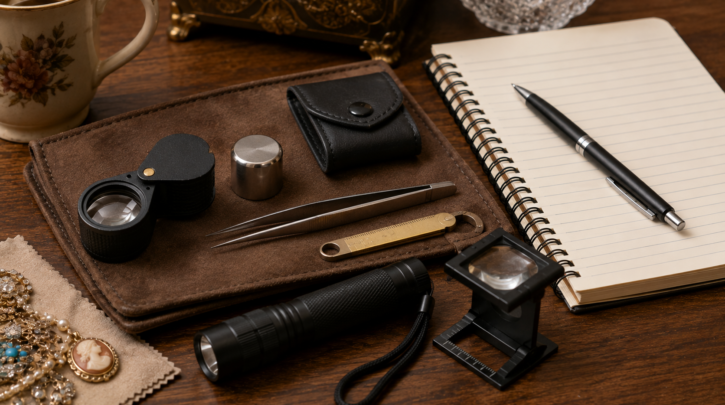
Where to Buy Vintage Jewelry: A Complete Guide
Gold-filled and gold-plated pieces get passed off as solid gold more often than buyers expect — sometimes through a seller’s honest mistake, sometimes not. The stamp inside the band or on the clasp settles the question every time, but it’s small, and reading it correctly…
 Written by: Vintage Jewelry Editorial Team
Posted on: July 11, 2026
Written by: Vintage Jewelry Editorial Team
Posted on: July 11, 2026
Building a Vintage Jewelry Collection
Before picking a focus, setting a budget, or learning to date a piece by its clasp style, there’s one skill every new collector needs first: reading a karat stamp correctly. Most gold-colored vintage jewelry on the market today isn’t solid gold at all — it’s…